

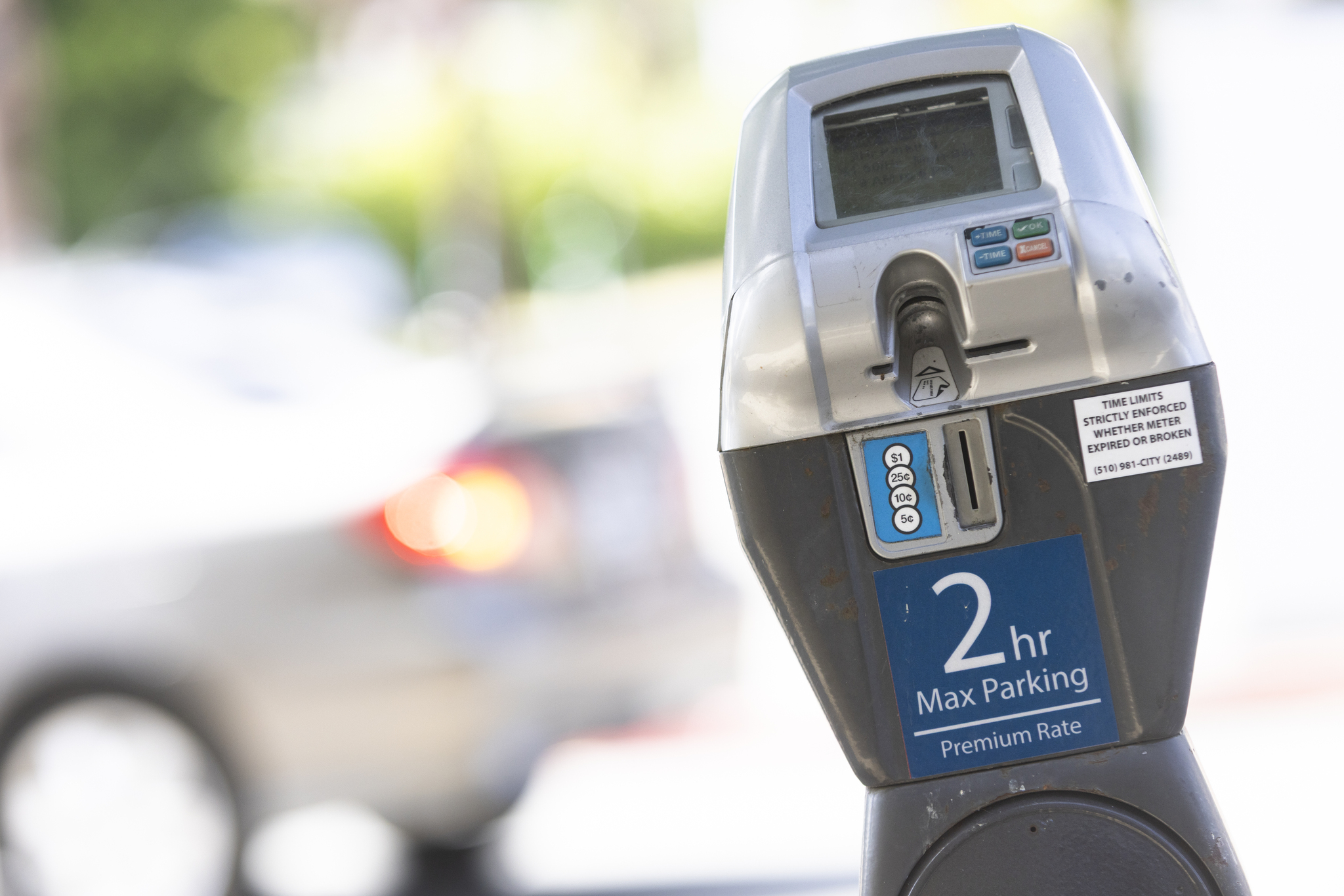
Clarification: they created a gradiated system for residential parking permits, where getting a permit for a second car costs more than the first. Which isnt the worst idea.
I live in a small city in England and this is the way resident on-street parking permits have worked for decades. Most neighborhoods consist mainly of row houses with no parking spaces of their own, so on-street’s the most common parking option. The first permit costs very little (£30/year), the next one is four times as much, which is still an order of magnitude cheaper than any other kind of parking you can find.
Last time I was there, Berkeley (the city in the article) has a pretty robust bus system, and the BART trains make getting to the rest of the bay area fairly easy unless you’re out past midnight. This new policy quite is reasonable for that city, IMO, much less so in more rural and suburban car centric cities I suppose.
Good step but they would also make not owning a car doable with better public transportation.
Berkeley’s also very bicycle-friendly, and the landscape and weather make cycling easy.
The City Council also voted to implement a graduated fee schedule for residential parking permits that would go into effect May 1, 2027, for 2028 permits. Permit prices would go up from $85 per vehicle to $100 for the first car, $125 for the second car and $150 for a third car. T
So companies can own multiple cars? This law was written for middle class people who might need two. Rich people with 20 cars don’t own their assets.
Good.